
Data Catalog Vs Data Dictionary
Data Catalog Vs Data Dictionary - Data dictionaries, inventories, and catalogs are terms often used interchangeably. Learn the differences & use cases to manage your data assets effectively. While data dictionaries offer some lineage information for specific fields within a database, data catalogs provide a more comprehensive lineage view across various data. Explore the key distinctions and functionalities of data catalog vs data data dictionary to enhance your data management strategy. Data catalogs usually include a data dictionary of the data assets. Data catalogs usually include a data dictionary of the data assets. A data catalog acts as a central hub for all of a company’s. While they are all critical to effective data management systems, they are not the same. Data catalogs and data dictionaries are complementary tools used to manage and organize data within a company. Therefore, data dictionary can be thought of as a building block of a data catalog. A data catalog acts as a central hub for all of a company’s. Learn the differences & use cases to manage your data assets effectively. Data catalogs and data dictionaries are complementary tools used to manage and organize data within a company. While they are all critical to effective data management systems, they are not the same. Therefore, data dictionary can be thought of as a building block of a data catalog. Data catalogs usually include a data dictionary of the data assets. Data dictionaries are collections of metadata that precisely define individual data elements to ensure clarity and consistency in understanding data. Did you know companies can save up. The main difference between a data catalog and a data dictionary is that a data dictionary documents technical metadata for a specific database, whereas a data catalog acts as a unified context, control, and collaboration layer of all metadata (technical, governance, operational, collaboration, quality, and. While data dictionaries offer some lineage information for specific fields within a database, data catalogs provide a more comprehensive lineage view across various data. Explore the key distinctions and functionalities of data catalog vs data data dictionary to enhance your data management strategy. Data catalogs usually include a data dictionary of the data assets. A data catalog acts as a central hub for all of a company’s. Therefore, data dictionary can be thought of as a building block of a data catalog. Learn the. Data catalogs and data dictionaries are complementary tools used to manage and organize data within a company. Learn how data catalogs and data dictionaries help you communicate and access your data assets. Data dictionaries are collections of metadata that precisely define individual data elements to ensure clarity and consistency in understanding data. Explore the key distinctions and functionalities of data. While they are all critical to effective data management systems, they are not the same. Learn how data catalogs and data dictionaries help you communicate and access your data assets. Data dictionaries, inventories, and catalogs are terms often used interchangeably. The main difference between a data catalog and a data dictionary is that a data dictionary documents technical metadata for. A data catalog acts as a central hub for all of a company’s. A data catalog lists and explains what data sets are available, while a data. Therefore, data dictionary can be thought of as a building block of a data catalog. While data dictionaries offer some lineage information for specific fields within a database, data catalogs provide a more. A data catalog lists and explains what data sets are available, while a data. Data dictionaries are collections of metadata that precisely define individual data elements to ensure clarity and consistency in understanding data. The main difference between a data catalog and a data dictionary is that a data dictionary documents technical metadata for a specific database, whereas a data. Explore the key distinctions and functionalities of data catalog vs data data dictionary to enhance your data management strategy. Therefore, data dictionary can be thought of as a building block of a data catalog. A data catalog acts as a central hub for all of a company’s. Data catalogs usually include a data dictionary of the data assets. Data catalogs. Data dictionaries are collections of metadata that precisely define individual data elements to ensure clarity and consistency in understanding data. A data catalog lists and explains what data sets are available, while a data. Learn how data catalogs and data dictionaries help you communicate and access your data assets. Therefore, data dictionary can be thought of as a building block. A data catalog acts as a central hub for all of a company’s. Therefore, data dictionary can be thought of as a building block of a data catalog. The main difference between a data catalog and a data dictionary is that a data dictionary documents technical metadata for a specific database, whereas a data catalog acts as a unified context,. A data catalog acts as a central hub for all of a company’s. A data catalog lists and explains what data sets are available, while a data. Data dictionaries, inventories, and catalogs are terms often used interchangeably. Data catalogs usually include a data dictionary of the data assets. Learn how data catalogs and data dictionaries help you communicate and access. Learn how data catalogs and data dictionaries help you communicate and access your data assets. Data catalogs and data dictionaries are complementary tools used to manage and organize data within a company. Explore the key distinctions and functionalities of data catalog vs data data dictionary to enhance your data management strategy. Data dictionaries are collections of metadata that precisely define. While they are all critical to effective data management systems, they are not the same. Data catalogs usually include a data dictionary of the data assets. Learn the differences & use cases to manage your data assets effectively. Learn how data catalogs and data dictionaries help you communicate and access your data assets. Data catalogs usually include a data dictionary of the data assets. While data dictionaries offer some lineage information for specific fields within a database, data catalogs provide a more comprehensive lineage view across various data. Data dictionaries are collections of metadata that precisely define individual data elements to ensure clarity and consistency in understanding data. The main difference between a data catalog and a data dictionary is that a data dictionary documents technical metadata for a specific database, whereas a data catalog acts as a unified context, control, and collaboration layer of all metadata (technical, governance, operational, collaboration, quality, and. Did you know companies can save up. A data catalog lists and explains what data sets are available, while a data. Therefore, data dictionary can be thought of as a building block of a data catalog. Explore the key distinctions and functionalities of data catalog vs data data dictionary to enhance your data management strategy.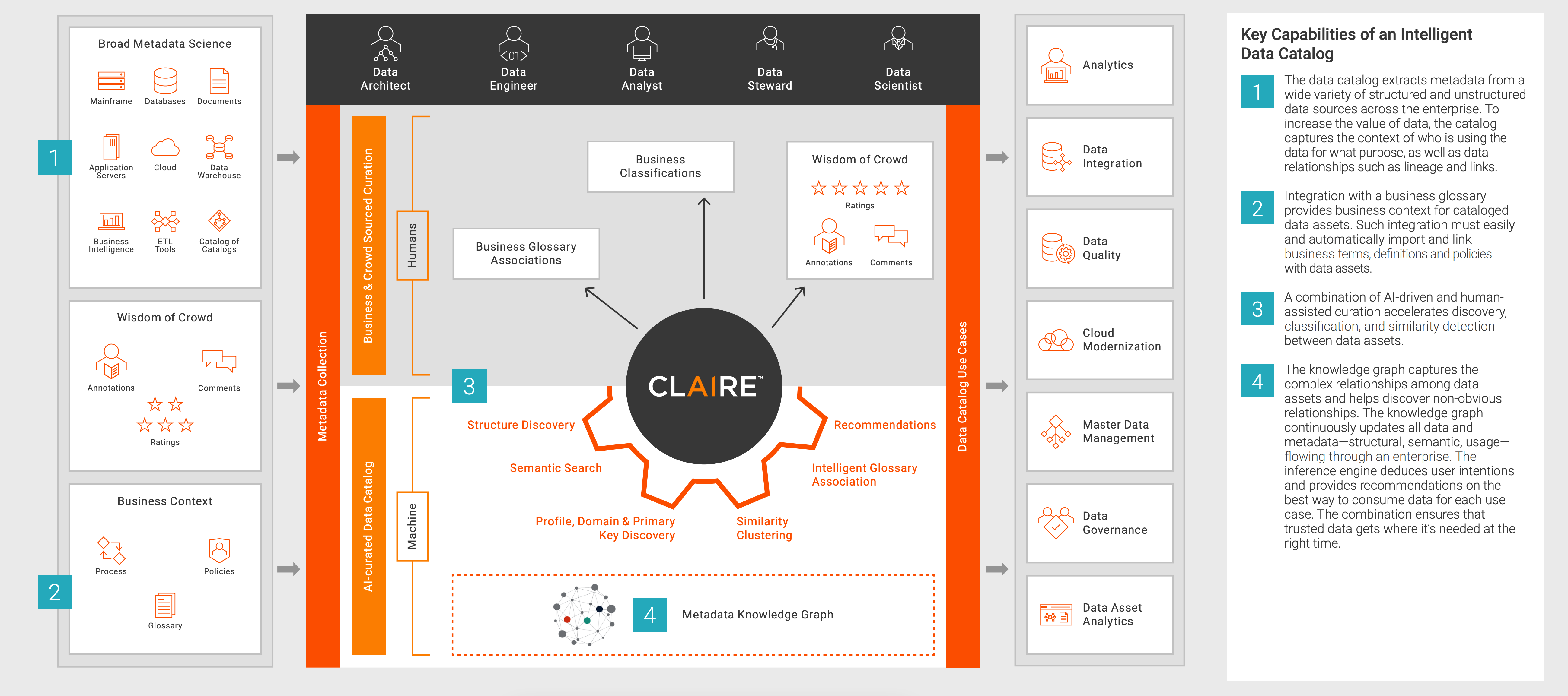
Data Catalog Vs Data Classification Catalog Library
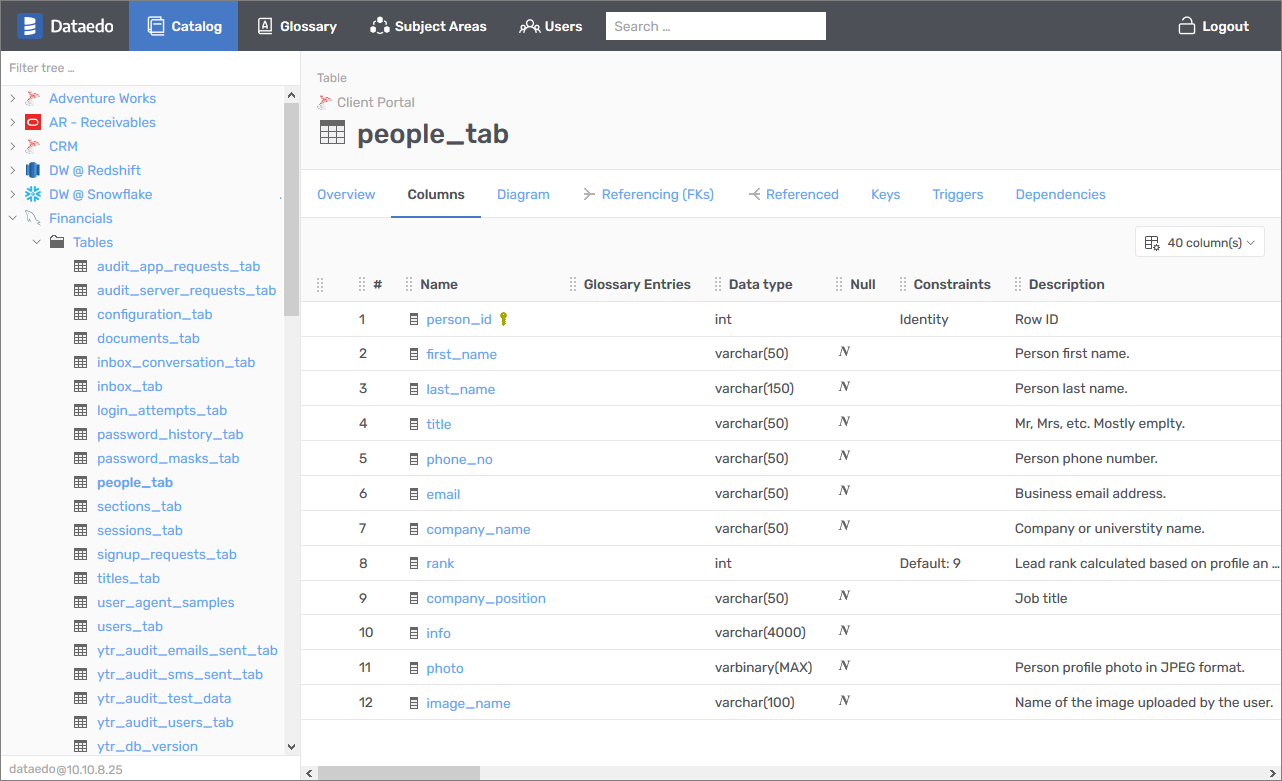
Data Dictionary vs Data Catalog Dataedo Blog
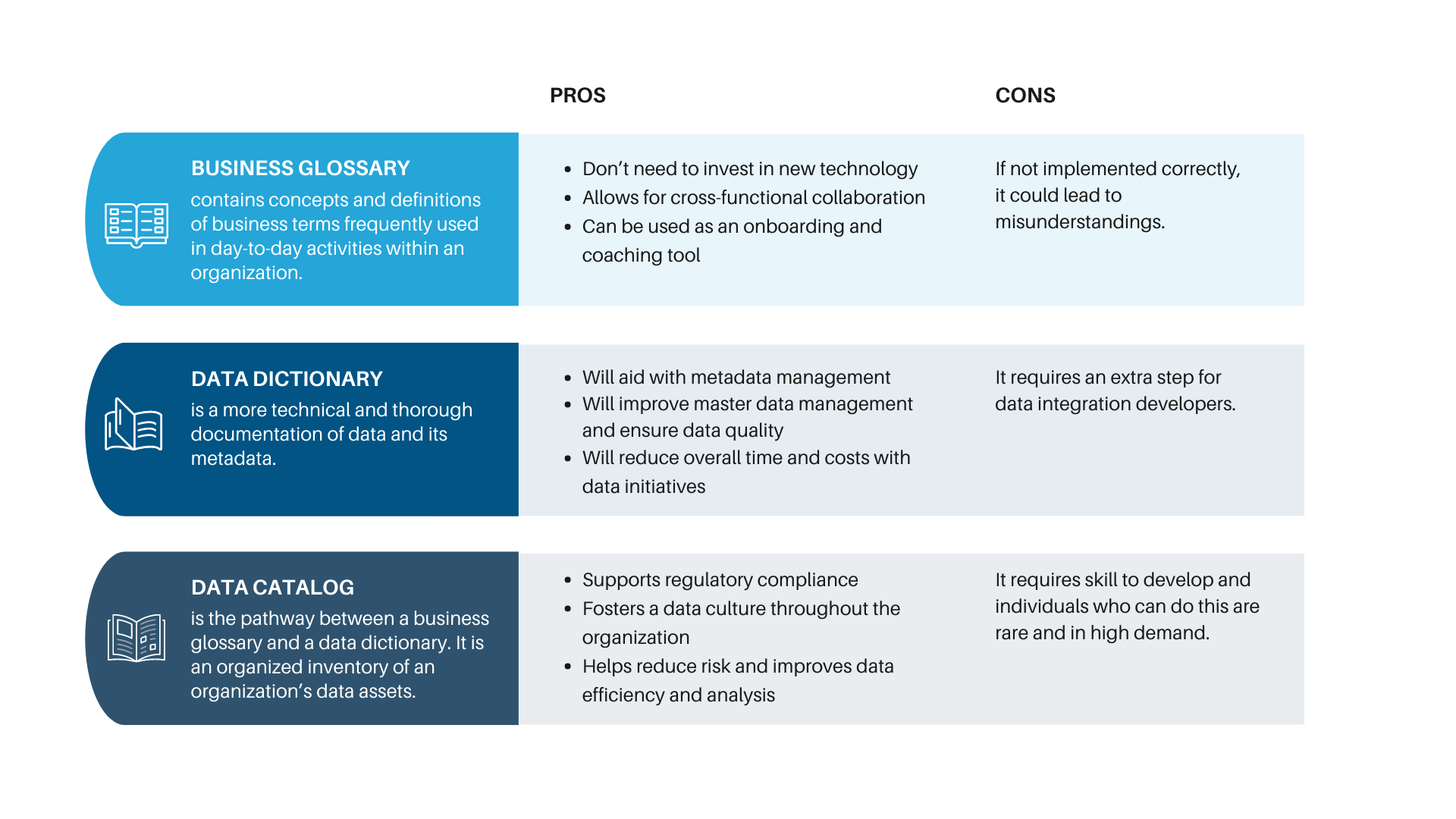
Difference Between Data Dictionary And Data Catalog at Lucas Thomason blog
.png)
Data Catalog vs Data Dictionary Differences & Use Cases
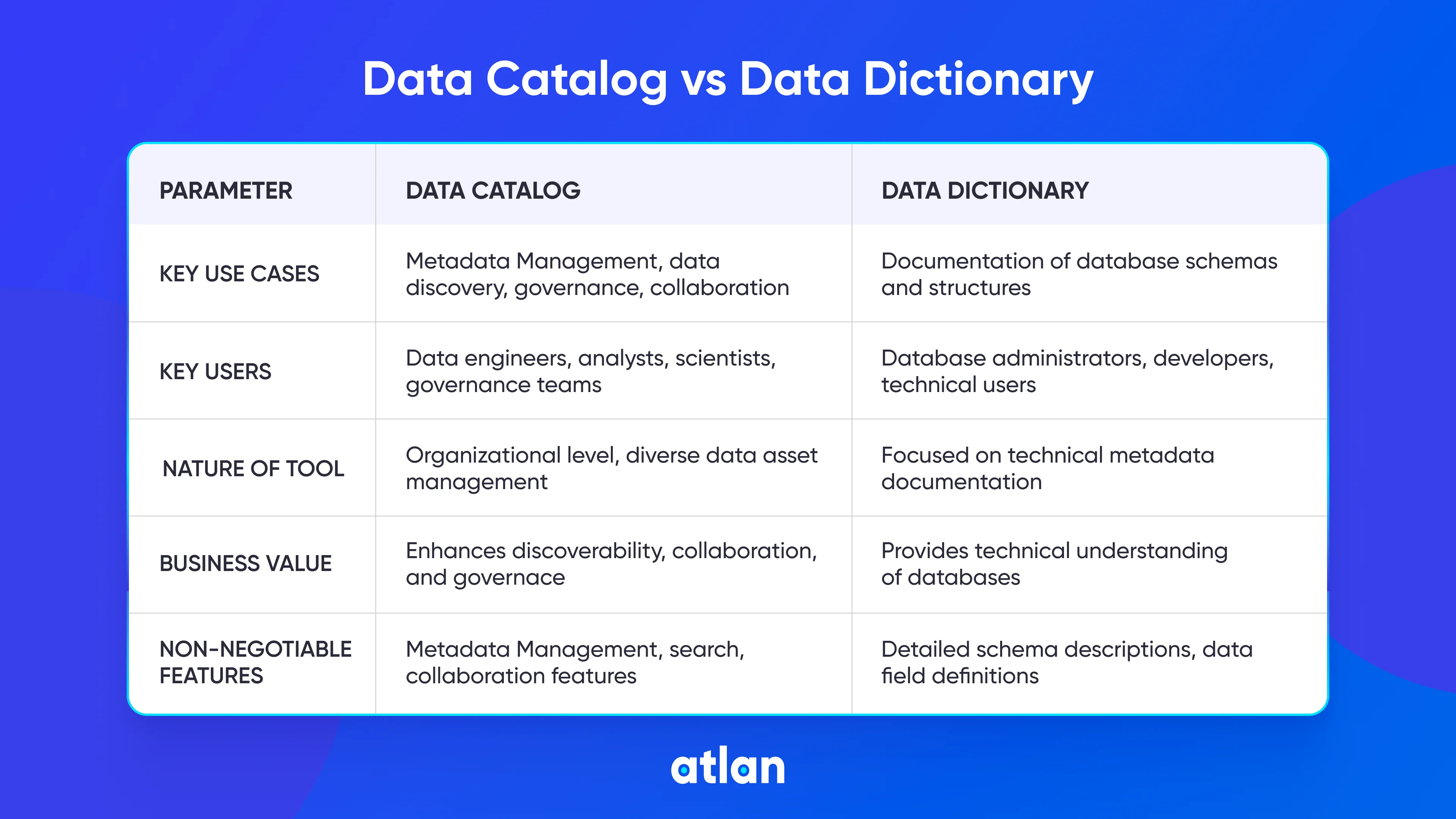
Data Catalog vs. Data Dictionary Key Differences for 2025
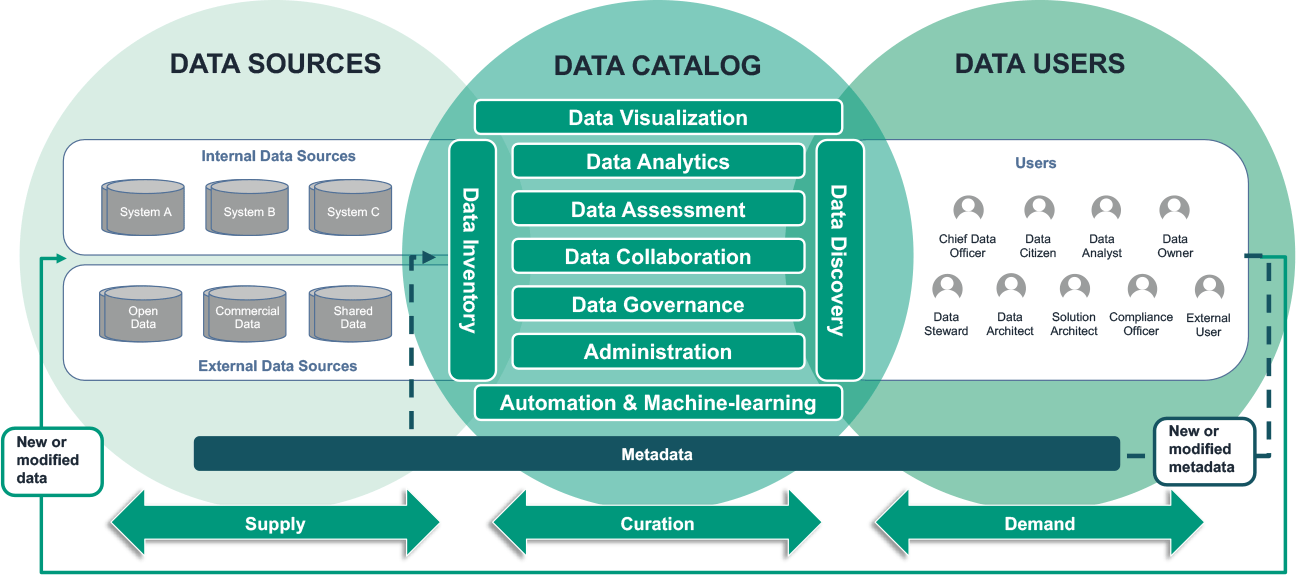
Data Discovery vs Data Catalog 3 Critical Aspects
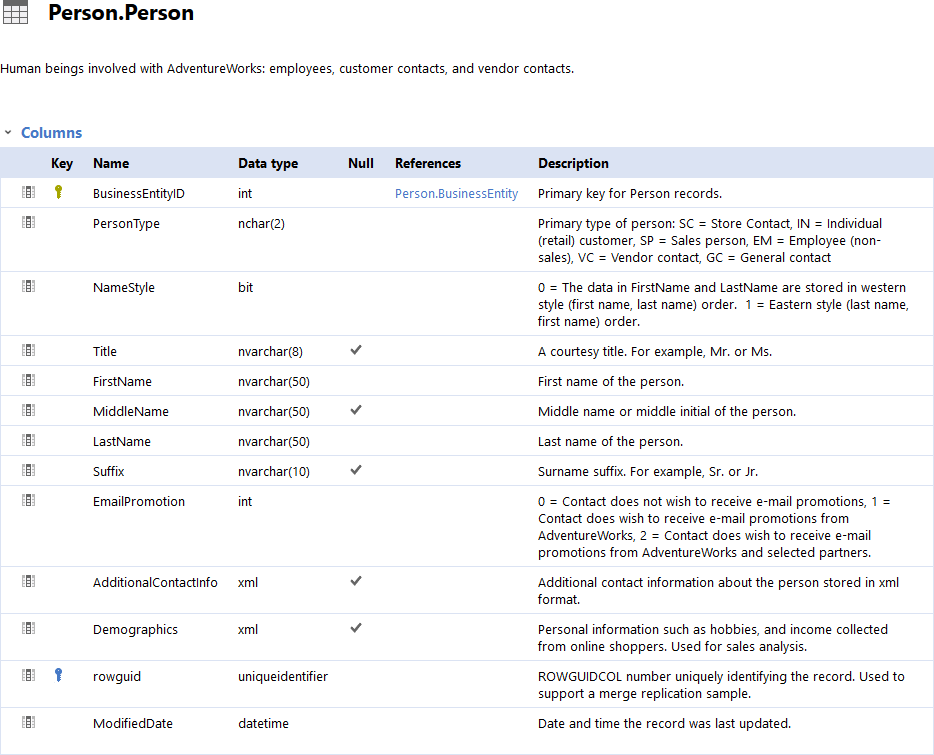
Data Dictionary vs Data Catalog Dataedo Blog

Data Dictionary vs. Business Glossary vs. Data Catalog Octopai

Data Glossary vs Data Catalog Explained Unlock Data Discovery and
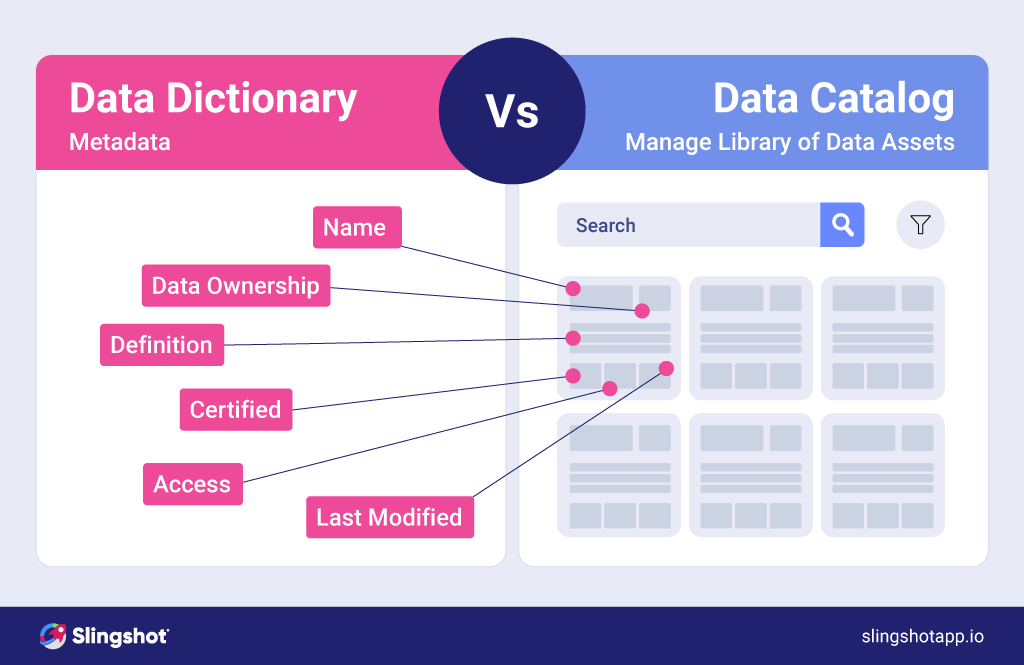
What Is A Data Catalog & Why Do You Need One?
Data Catalogs And Data Dictionaries Are Complementary Tools Used To Manage And Organize Data Within A Company.
Therefore, Data Dictionary Can Be Thought Of As A Building Block Of A Data Catalog.
A Data Catalog Acts As A Central Hub For All Of A Company’s.
Data Dictionaries, Inventories, And Catalogs Are Terms Often Used Interchangeably.
Related Post: