
Data Catalog Vs Metadata Management
Data Catalog Vs Metadata Management - Explore the differences between data catalogs and metadata management. While data catalogs focus on data accessibility, discovery, and usability, metadata management ensures. In contrast, a data catalog is a tool — a means to support metadata management. For example, a data catalog ensures data accessibility making it ideal for organizations needing robust data discovery and profiling capabilities. Although metadata, data dictionary, and catalog are interrelated, they serve distinct purposes: Metadata management focuses on the governance and organization of metadata, ensuring that it is accurate and accessible. A data catalog serves as a centralized location where all metadata about data assets is stored and organized. This central catalog is complemented by metadata apis, which facilitate integration with other catalog systems. Learn the role each plays in data discovery, governance, and overall data strategy. The descriptive information about the data stored in the database, such as table names, column types, and constraints. The future of data management looks smarter, automated,. Although metadata, data dictionary, and catalog are interrelated, they serve distinct purposes: What is a data catalog? While metadata management is a process to manage the metadata and make it available to users, we need solutions and tools to implement this process. A data catalog is a tool that supports metadata management by organizing and storing metadata to help users find and access data. The main difference between metadata management and a data catalog is that metadata management is a strategy or approach to handling your data. Metadata management is a strategy for handling data that involves creating, maintaining, and governing metadata. The catalog is a crucial component for managing and discovering data. Understanding the distinction between metadata and data catalogs is crucial for effective data management. In contrast, data fabric includes automated governance features like data lineage, access controls, and metadata management. The descriptive information about the data stored in the database, such as table names, column types, and constraints. Learn the role each plays in data discovery, governance, and overall data strategy. Metadata management focuses on the governance and organization of metadata, ensuring that it is accurate and accessible. While a data catalog facilitates data discovery and access, metadata management is. Knowing the main differences between data catalog and metadata management is crucial for good data governance. A data catalog is a tool that supports metadata management by organizing and storing metadata to help users find and access data. Enter data cataloging and metadata management—two pivotal processes that, while distinct, work in tandem to enhance data utilization and governance. Data cataloging. For example, a data catalog ensures data accessibility making it ideal for organizations needing robust data discovery and profiling capabilities. It is a critical component of any data governance strategy, providing users with easy access to a centralized repository of information about their organization’s valuable data assets. The descriptive information about the data stored in the database, such as table. In contrast, data fabric includes automated governance features like data lineage, access controls, and metadata management. Automation will help reduce the complexities among seemingly disparate data sources in heterogeneous environments. Go for a data catalog if you need data discovery and profiling, vs metadata management if you require governance and policy enforcement. Metastores and data catalogs are the. A data. And while they have some common functions, there are also important differences between the two entities that big data practitioners should know about. Explore the differences between data catalogs and metadata management. In essence, while metadata management is the blueprint for a library, a data catalog is the actual library catalog. Enter data cataloging and metadata management—two pivotal processes that,. Go for a data catalog if you need data discovery and profiling, vs metadata management if you require governance and policy enforcement. Why is data cataloging important?. In contrast, a data catalog is a tool — a means to support metadata management. Data profiles within the catalog offer valuable insights into the data’s characteristics, such as data type, format, and. Although metadata, data dictionary, and catalog are interrelated, they serve distinct purposes: The descriptive information about the data stored in the database, such as table names, column types, and constraints. The descriptive information about the data stored in the database, such as table names, column types, and constraints. Metastores and data catalogs are the. And while they have some common. The descriptive information about the data stored in the database, such as table names, column types, and constraints. Automation will help reduce the complexities among seemingly disparate data sources in heterogeneous environments. A data catalog is an organized collection of metadata that describes the content and structure of data sources. In essence, while metadata management is the blueprint for a. While metadata management is a process to manage the metadata and make it available to users, we need solutions and tools to implement this process. Metadata management focuses on the governance and organization of metadata, ensuring that it is accurate and accessible. A data catalog is an organized collection of metadata that describes the content and structure of data sources.. Data profiles within the catalog offer valuable insights into the data’s characteristics, such as data type, format, and lineage. The descriptive information about the data stored in the database, such as table names, column types, and constraints. Metadata management focuses on the governance and organization of metadata, ensuring that it is accurate and accessible. Metadata types encompass technical, business, and. Data catalogs and metadata catalogs share some similarities, particularly in their nearly identical names. Both data catalogs and metadata management play critical roles in an organization's data management strategy. Go for a data catalog if you need data discovery and profiling, vs metadata management if you require governance and policy enforcement. This central catalog is complemented by metadata apis, which facilitate integration with other catalog systems. A data catalog serves as a centralized location where all metadata about data assets is stored and organized. The descriptive information about the data stored in the database, such as table names, column types, and constraints. The catalog is a crucial component for managing and discovering data. While a data catalog facilitates data discovery and access, metadata management is responsible for capturing, storing, and managing the metadata associated with each dataset. It is a critical component of any data governance strategy, providing users with easy access to a centralized repository of information about their organization’s valuable data assets. The article gives an overview of metadata management and explains why a modern data catalog like unity catalog is better than legacy metadata management techniques. Metadata, often described as 'data about data,' encompasses the descriptive details that provide context for data, such as file size, creation date, and format. Why is data cataloging important?. A data catalog is an organized collection of metadata that describes the content and structure of data sources. In contrast, data fabric includes automated governance features like data lineage, access controls, and metadata management. Automation will help reduce the complexities among seemingly disparate data sources in heterogeneous environments. The descriptive information about the data stored in the database, such as table names, column types, and constraints.
Data Catalog Vs. Metadata Management Differences, and How They Work

Metadata Management & Data Catalog (Data Architecture Data Governance

Master Metadata Management with an Automated Data Catalog dyvenia

Data Catalog vs. Metadata Management Definitions, Differences, and
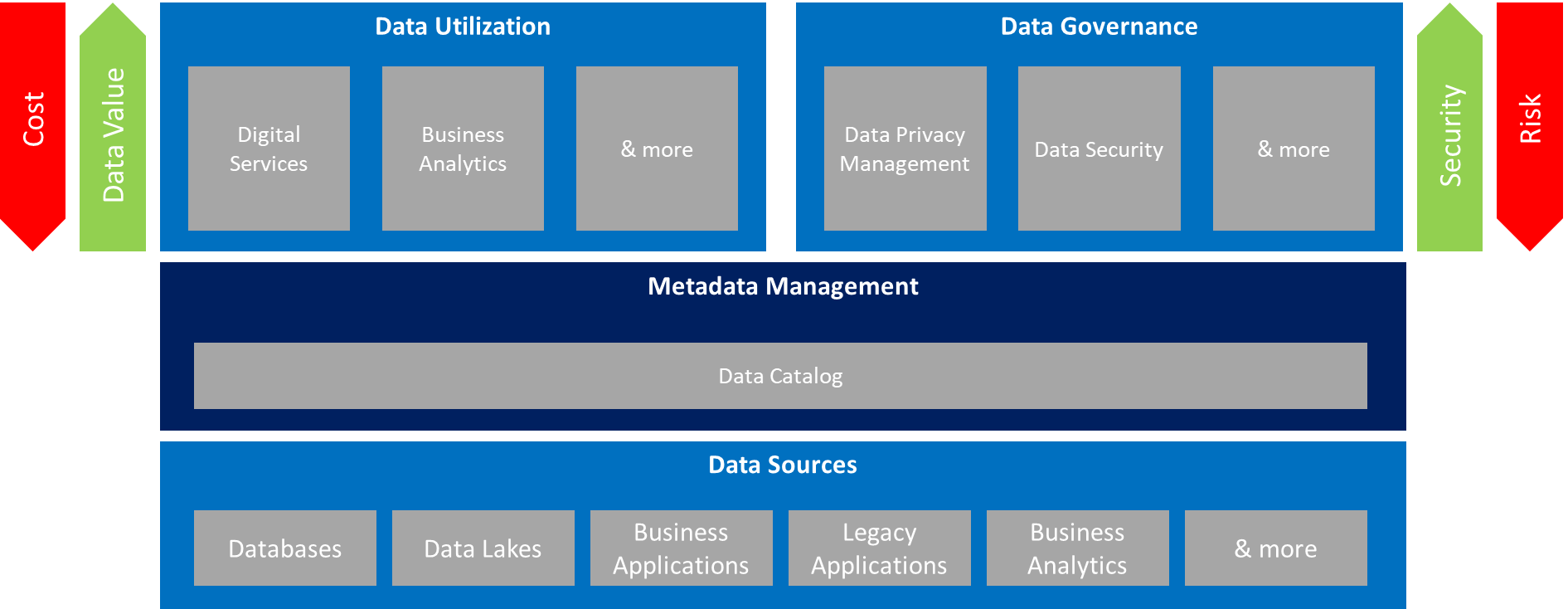
Leadership Compass Data Catalogs and Metadata Management
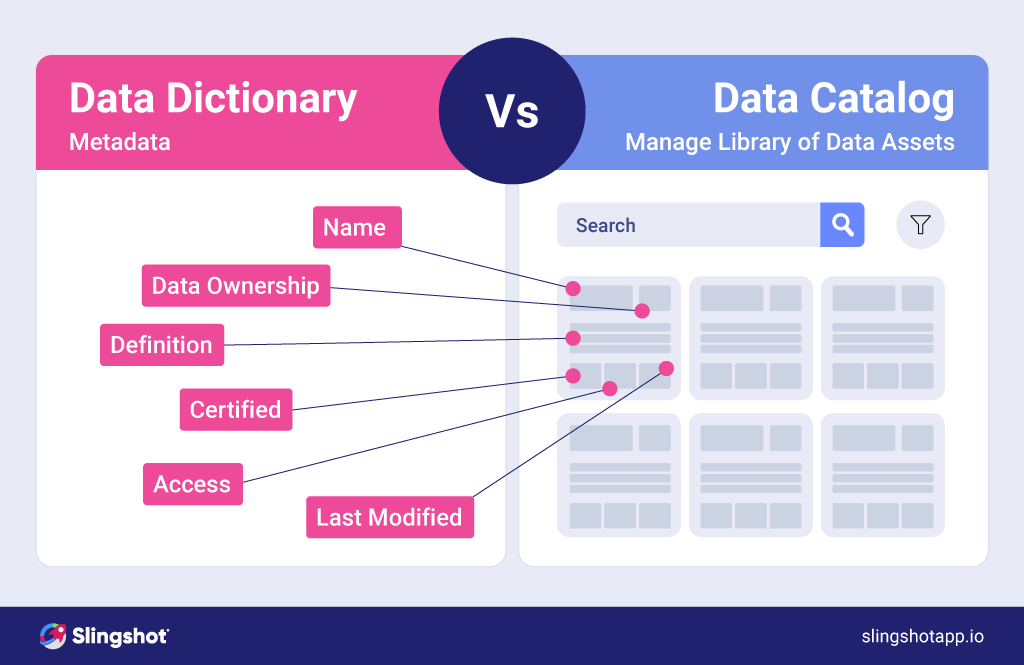
What Is A Data Catalog & Why Do You Need One?
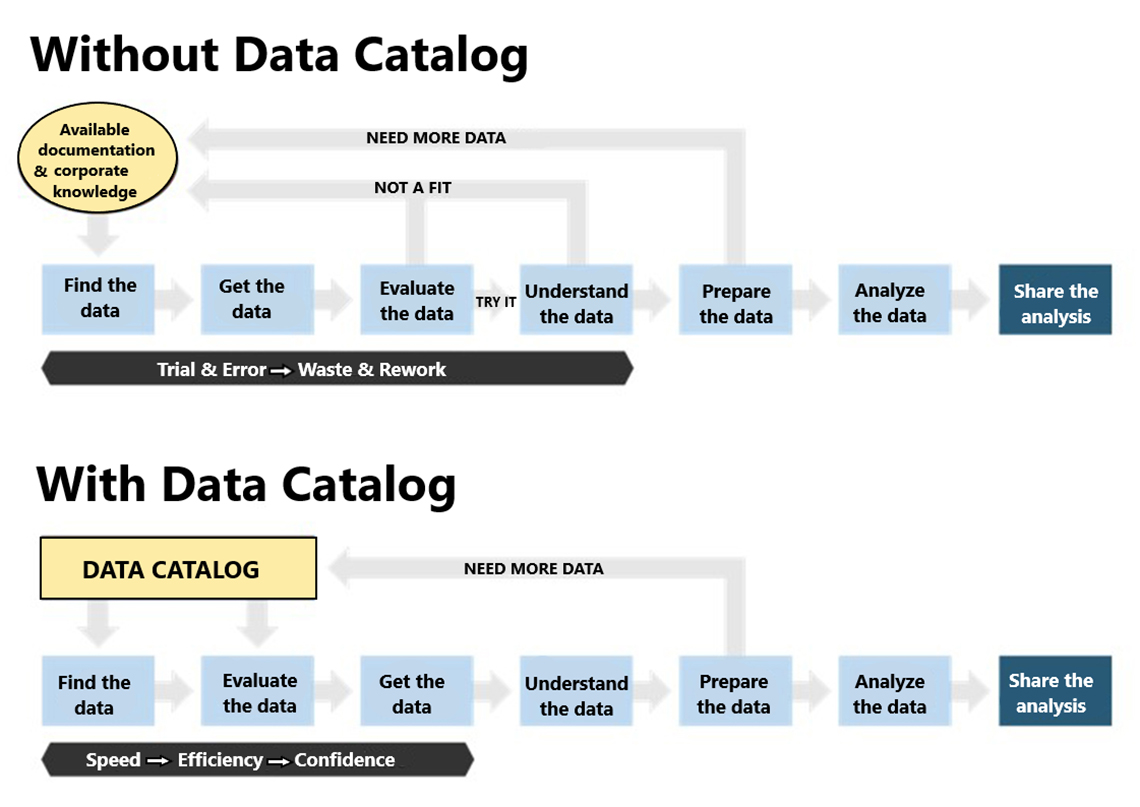
A Use Case on Metadata Management
Data Catalog Vs. Metadata Management What's the Difference?
Data Catalog Vs. Metadata Management Differences, and How They Work
Data Catalog Vs Metadata management Which Is Better?
Enter Data Cataloging And Metadata Management—Two Pivotal Processes That, While Distinct, Work In Tandem To Enhance Data Utilization And Governance.
Metadata Types Encompass Technical, Business, And Operational Metadata, E Ach Contributing To A.
In Contrast, A Data Catalog Is A Tool — A Means To Support Metadata Management.
Data Cataloging Involves Creating An Organized Inventory Of Data Assets Within An Organization.
Related Post:
