
Difference Between Catalog And Catalogue
Difference Between Catalog And Catalogue - Find out the origin, history, and memory trick of these two spellings of the same word. In this article, you'll learn the difference between the two and when to. Learn the difference between catalog and catalogue, two spellings of the same word that mean a list of items or products. Catalogue, on the other hand, is preferred in british english, which means a systematically arranged list of items or. The catalog spelling is the preferred in countries that use american english like the. “catalogue” is preferred in british english, while “catalog” is standard in american english. Catalogue is used in british english whereas catalog is mostly used in american english. They have the same meaning. Learn when to use catalog or catalogue as a noun or verb in american and british english. To decide between catalog and catalogue, consider the audience’s location. For american readers, use catalog. for british or international audiences, catalogue is the preferred form. What is the difference between a catalog and a catalogue? “catalogue” is preferred in british english, while “catalog” is standard in american english. What's the difference between catalog and catalogue? Find out which is more common in american english and how to use. When the choice is catalog vs catalogu e, which is correct? In general, catalog is the preferred spelling in. Learn the difference between catalog and catalogue, two spellings of the same word that mean a list of items or products. Similar to analog or analogue. Learn when to use catalog or catalogue as a noun or verb in american and british english. Catalog and catalogue are both acceptable spellings for the same thing. When the choice is catalog vs catalogu e, which is correct? They have the same meaning. Learn the difference between catalog and catalogue, two spellings of the same word that mean a list of items or products. Cataloguing refers to the methodical. Catalog and catalogue are both acceptable spellings for the same thing. In fact, they are two different variants of the same word meaning “a register”, “an enumeration of all the books, paintings and any other items you can find in a place” or “a book containing that. Understanding your audience’s language preferences will help you choose the correct. For american. In fact, they are two different variants of the same word meaning “a register”, “an enumeration of all the books, paintings and any other items you can find in a place” or “a book containing that. Cataloguing is the process of listing items systematically, often for a collection or library, while a catalogue is the list or database itself. Learn. I cannot really decide which one to use for a product catalogue for a shop. Catalogue, on the other hand, is preferred in british english, which means a systematically arranged list of items or. Find out the origin, history, and memory trick of these two spellings of the same word. In this article, you'll learn the difference between the two. In fact, they are two different variants of the same word meaning “a register”, “an enumeration of all the books, paintings and any other items you can find in a place” or “a book containing that. Find out the origin, history, and memory trick of these two spellings of the same word. Cataloguing refers to the methodical. Cataloguing is the. What is the difference between catalogue and catalog? “catalogue” is preferred in british english, while “catalog” is standard in american english. To decide between catalog and catalogue, consider the audience’s location. If you're wondering what the difference is between 'catalog' vs 'catalogue,' you've come to the right place. Catalogue, on the other hand, is preferred in british english, which means. Catalog and catalogue are both acceptable spellings for the same thing. Understanding your audience’s language preferences will help you choose the correct. Cataloguing refers to the methodical. Catalogue, on the other hand, is preferred in british english, which means a systematically arranged list of items or. When the choice is catalog vs catalogu e, which is correct? When the choice is catalog vs catalogu e, which is correct? Catalog is the preferred spelling in american english; A systematic list or record, often with descriptions or illustrations, of items such as books, products, or. They have the same meaning. Find out the origin, history, and memory trick of these two spellings of the same word. A systematic list or record, often with descriptions or illustrations, of items such as books, products, or. Find out which is more common in american english and how to use. In general, catalog is the preferred spelling in. Catalog and catalogue essentially convey the same meaning: In this article, you'll learn the difference between the two and when to. When the choice is catalog vs catalogu e, which is correct? Cataloguing refers to the methodical. In fact, they are two different variants of the same word meaning “a register”, “an enumeration of all the books, paintings and any other items you can find in a place” or “a book containing that. Catalog and catalogue are both acceptable spellings for. If you're wondering what the difference is between 'catalog' vs 'catalogue,' you've come to the right place. Understanding your audience’s language preferences will help you choose the correct. Catalog is the preferred spelling in american english; Cataloguing refers to the methodical. What is the difference between catalogue and catalog? When the choice is catalog vs catalogu e, which is correct? Catalogue, on the other hand, is preferred in british english, which means a systematically arranged list of items or. Learn when to use catalog or catalogue as a noun or verb in american and british english. Find out which is more common in american english and how to use. Cataloguing is the process of listing items systematically, often for a collection or library, while a catalogue is the list or database itself. What is the difference between a catalog and a catalogue? The catalog spelling is the preferred in countries that use american english like the. Learn the difference between catalog and catalogue, two spellings of the same word that mean a list of items or products. Catalog and catalogue essentially convey the same meaning: “catalogue” is preferred in british english, while “catalog” is standard in american english. For american readers, use catalog. for british or international audiences, catalogue is the preferred form.
Catalog vs. Catalogue Understanding the Differences in Spelling • 7ESL
‘Catalog' vs 'Catalogue' What's the Difference?
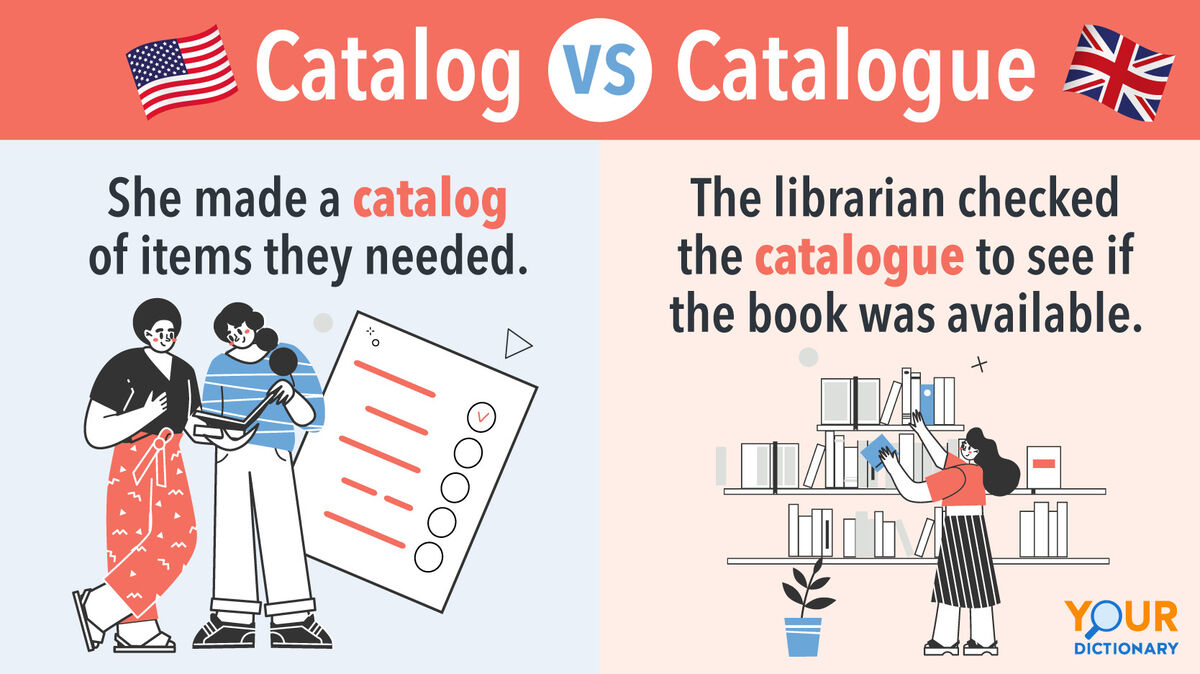
Catalog vs. Catalogue Sorting Out the Different Spellings YourDictionary

The Ultimate Guide To Catalog Vs. Catalogue 20+ Mustknow Differences

Catalog vs. Catalogue Understanding the Differences in Spelling • 7ESL
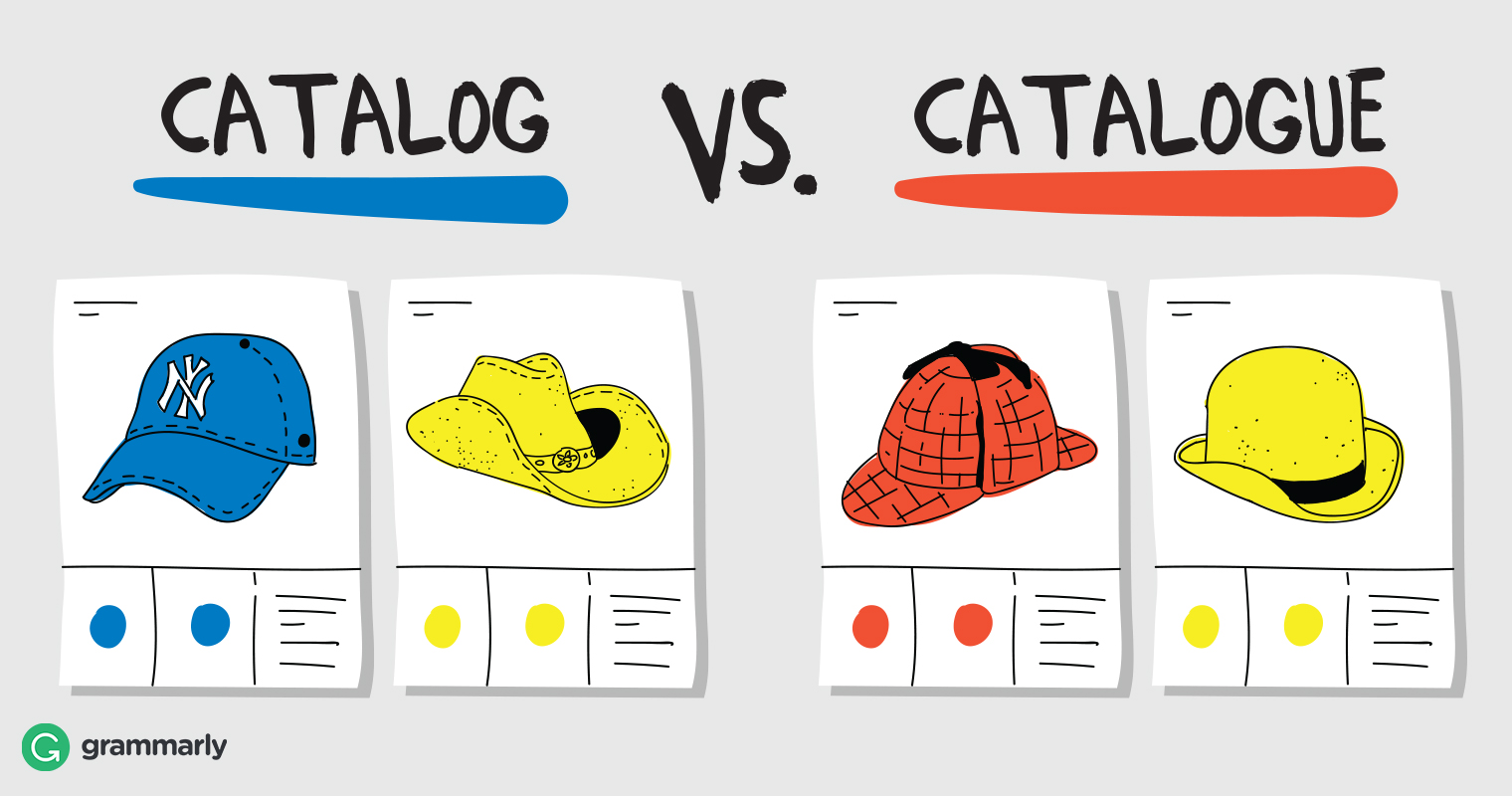
Catalog or Catalogue—Which Should You Use? Grammarly

Catalog vs. Catalogue What's the Difference? ESLBUZZ
The Key Differences between a Brochure and Catalogue!
Catalog vs. Catalogue — What’s the Difference?

‘Catalog’ vs ‘Catalogue’ What’s the Difference?
A Systematic List Or Record, Often With Descriptions Or Illustrations, Of Items Such As Books, Products, Or.
In Fact, They Are Two Different Variants Of The Same Word Meaning “A Register”, “An Enumeration Of All The Books, Paintings And Any Other Items You Can Find In A Place” Or “A Book Containing That.
To Decide Between Catalog And Catalogue, Consider The Audience’s Location.
Catalogue Is Used In British English Whereas Catalog Is Mostly Used In American English.
Related Post:
